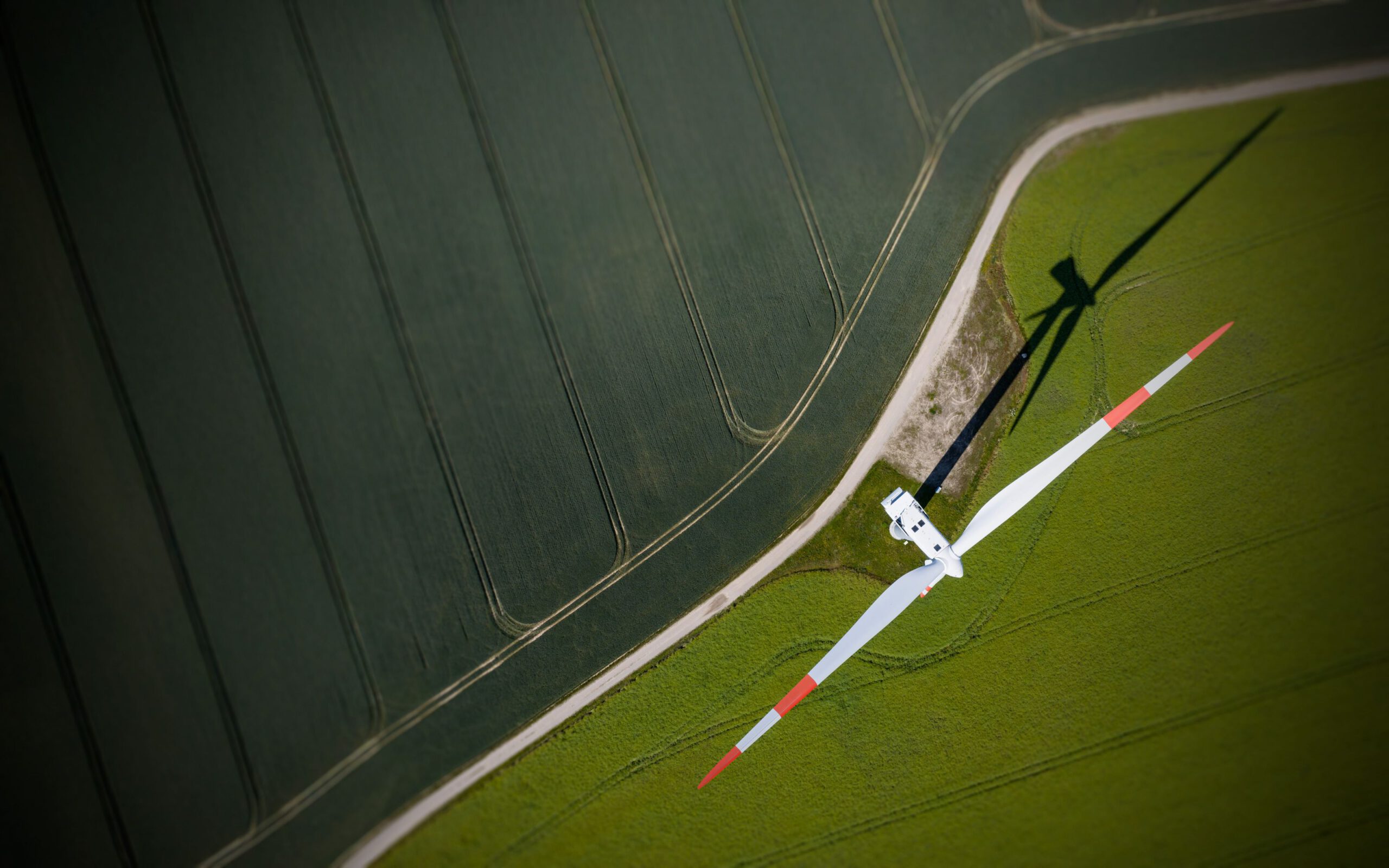
Energy with a future
We develop tomorrow’s energy landscape: collaboratively, and with a clear vision.
To our offers for
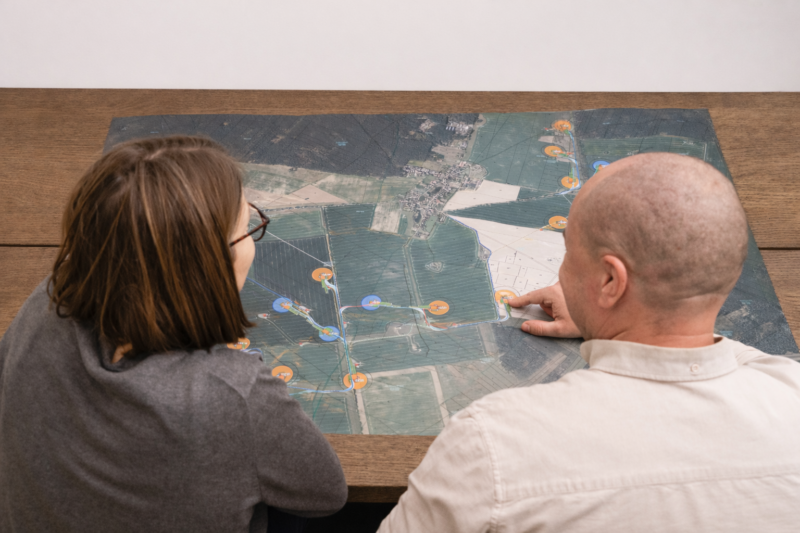
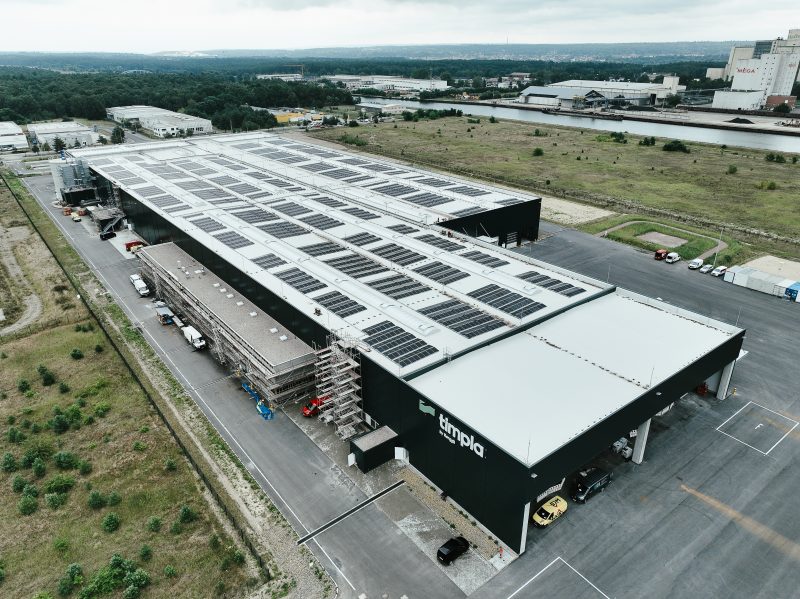
At Saxovent Renewables, we are committed to a global, 100% clean energy future – one that is safe, economically sound, and built on true partnership. As an independent project developer with roots in Berlin and a regional presence throughout Germany, we focus on holistic solutions.
→ Full-service provider in renewable energies. Strong regionally. Active nationally. Holistic value creation around the generation of green electricity.onally active. Holistic value creation in all aspects of green electricity generation.
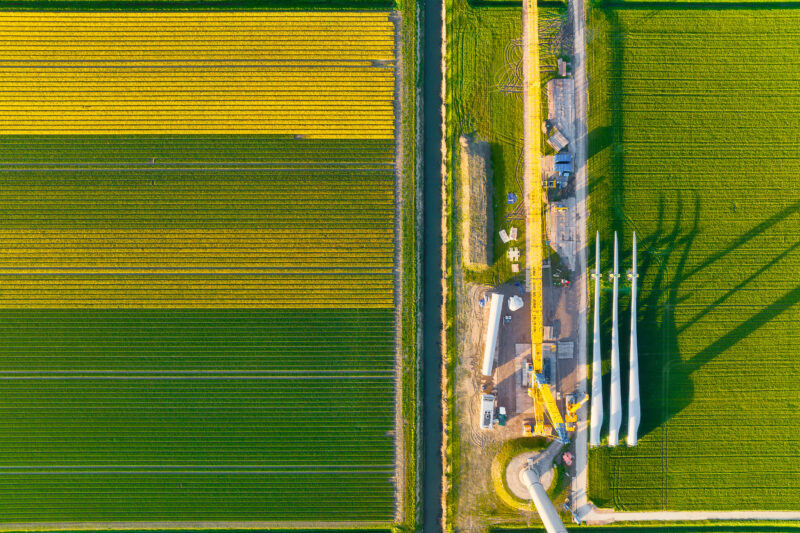
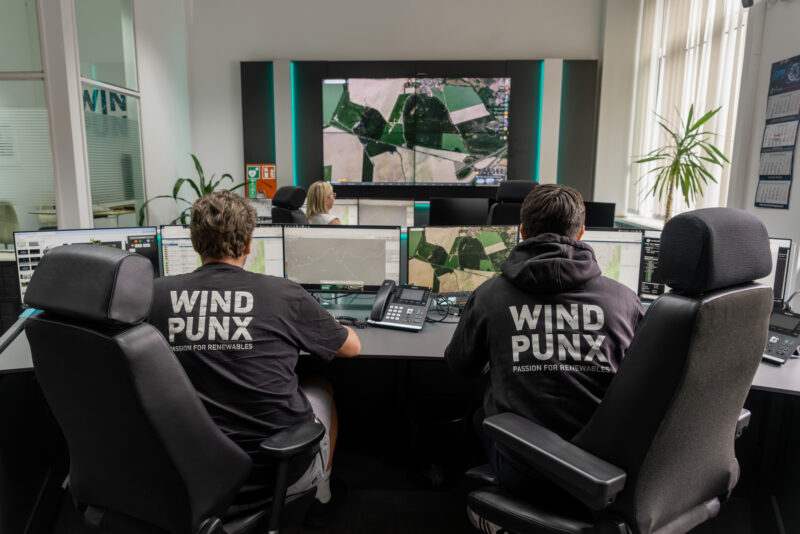
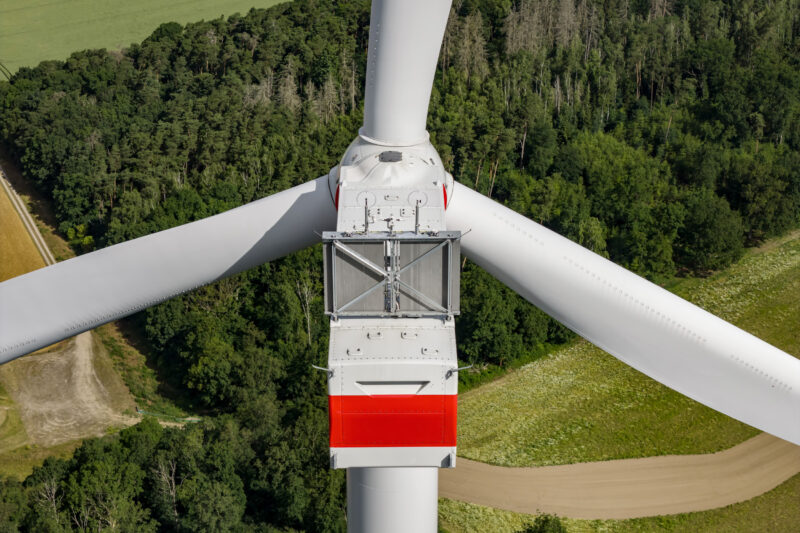

With over 25 years of experience in the renewable energy sector and 100% security provided by our parent investment company.

Collaboration on eye-level combined with financial security.

We get things done—efficiently and solution-oriented, while keeping individual needs in mind.

We grow in a focused and strategic manner, with foresight and a strong network.
The share of renewable energies in electricity consumption is growing steadily and has long since become the central pillar of our current electricity supply. What began with idealistic citizen projects and individual enthusiasts is now a highly professional industry that inspires me. With Saxovent Renewables, we want to actively shape the transformation of the energy market—creating an intelligent, interconnected and resilient energy system for the future.

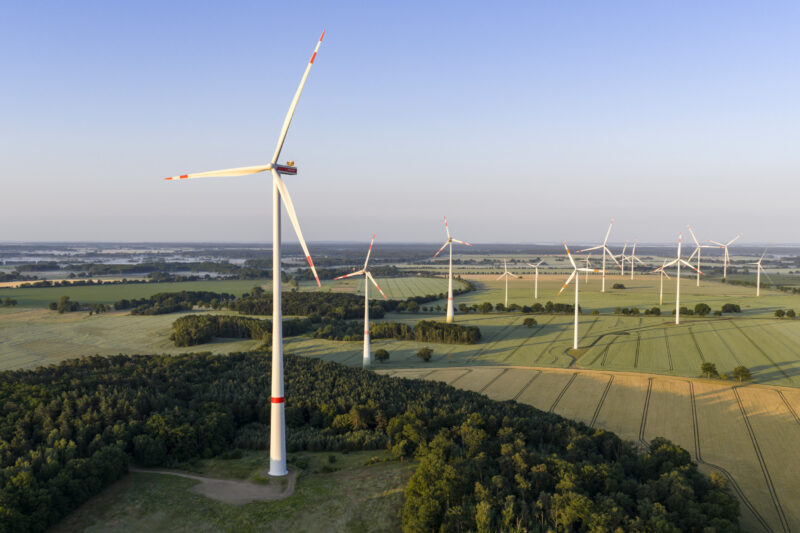
The wind and solar parks implemented together with our partners produce 814 MW of clean electricity, supplying over 900,000 people and saving more than 1 million tons of climate-damaging carbon dioxide every year.



What we have on the grid
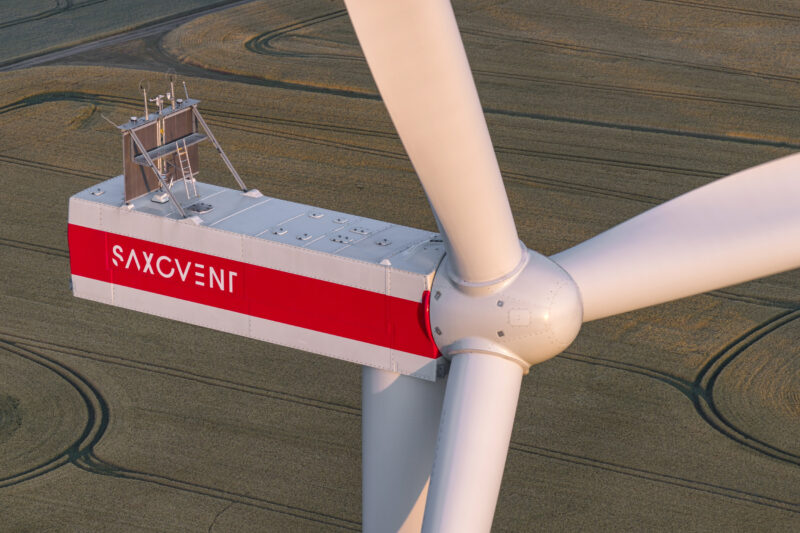
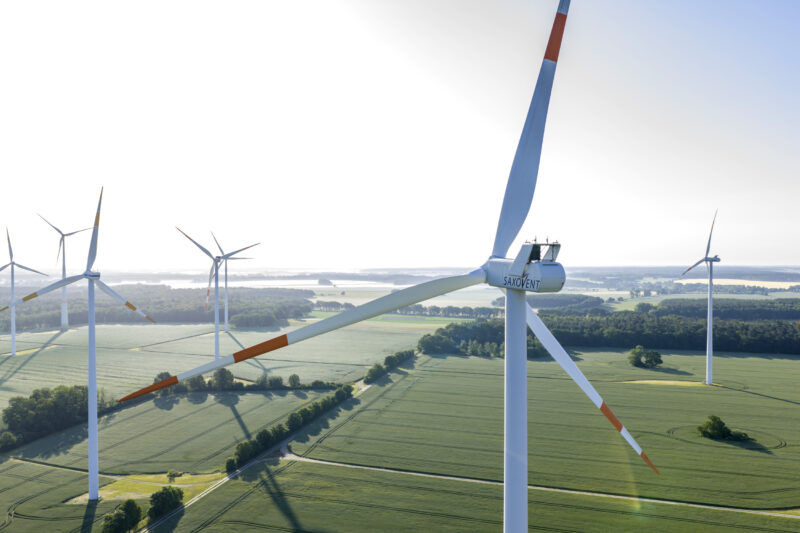
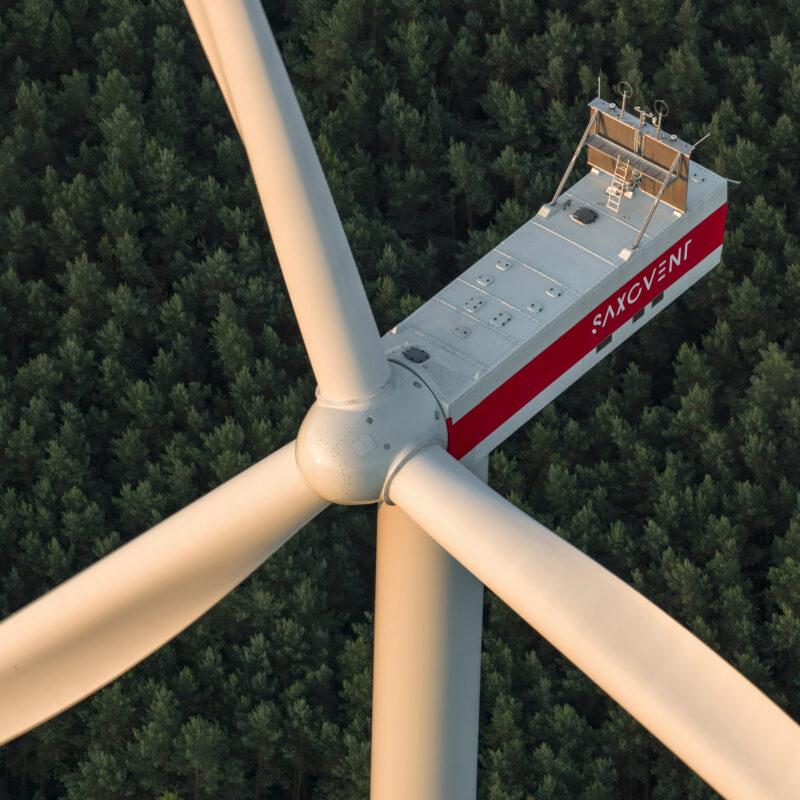
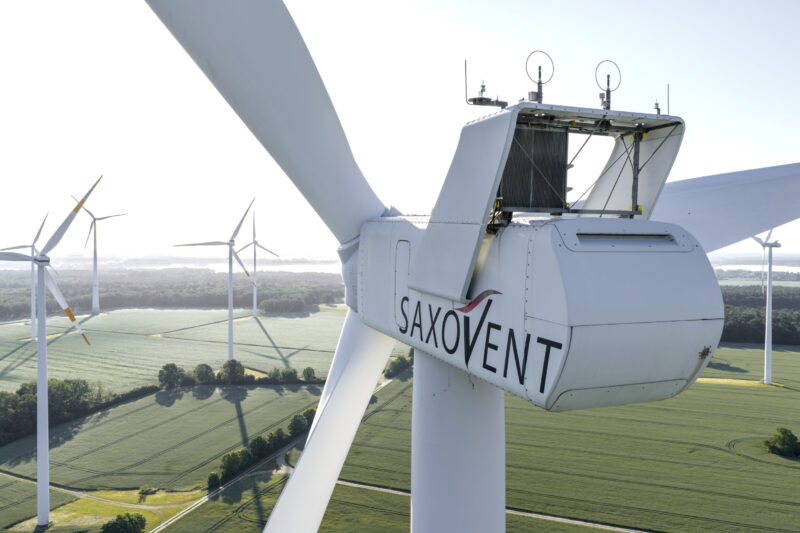
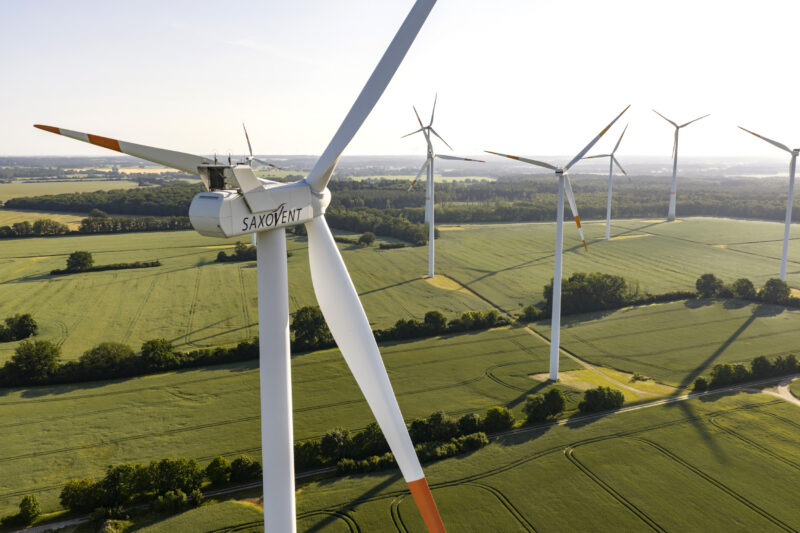
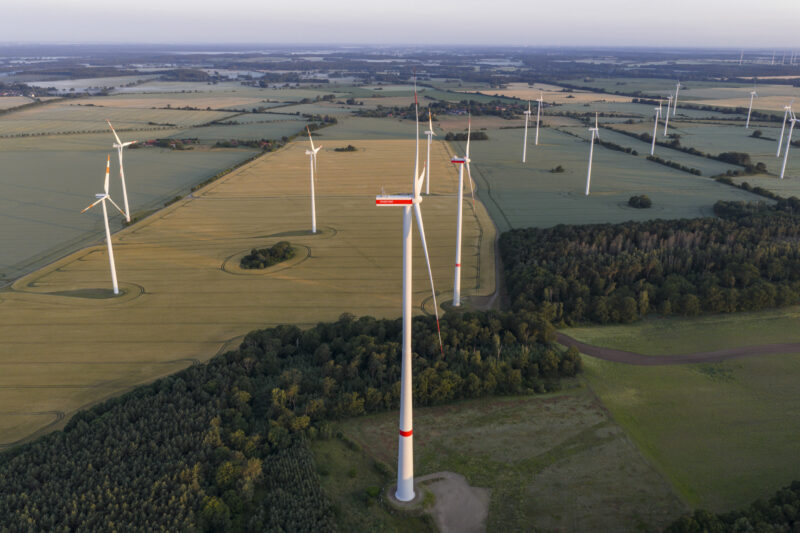
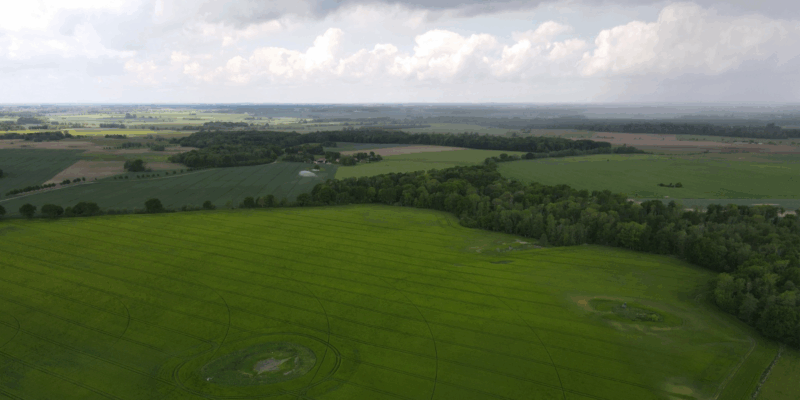
* SAXOVENT was involved in the development of these projects at various stages, including the operation of the plants as an IPP (Independent Power Producer).
The expected energy generation from plants developed by SAXOVENT is estimated based on their installed nominal capacity and an average number of full-load hours, regardless of SAXOVENT’s ownership share. The average household electricity consumption per person was 1,524 kWh in 2023 (Eurostat, as of January 2026).
The potentially avoided greenhouse gas emissions are determined from the amount of electricity generated and the so‑called “net avoidance factor.” This factor indicates how many CO₂ equivalents—taking upstream supply chains into account—are avoided by wind energy per kilowatt hour generated. The calculation is based on the report “Emissions balance of renewable energy sources. Determining avoided emissions in 2023,” published by the German Federal Environment Agency, according to which the net avoidance factor for onshore wind energy is 758 g CO₂‑eq./kWh.

