Energy with a future
We are developing the energy landscape of tomorrow – in partnership and with a system
To our offers for
At Saxovent Renewables, we believe in a global, 100% clean energy supply. Realized safely, economically, and in partnership. As an independent project developer with roots in Berlin and a regional presence throughout Germany, we focus on holistic solutions.
→ Full-line provider in renewable energies. Strong regional presence. Nationally active. Holistic value creation in all aspects of green electricity generation.
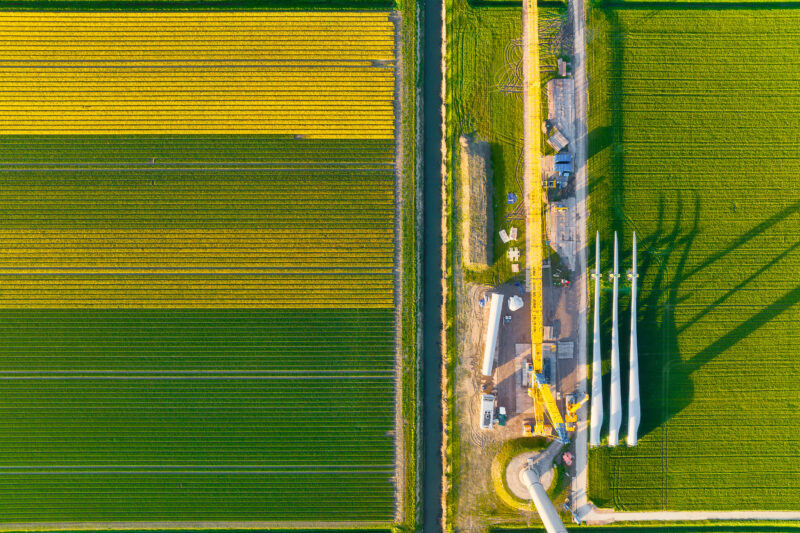
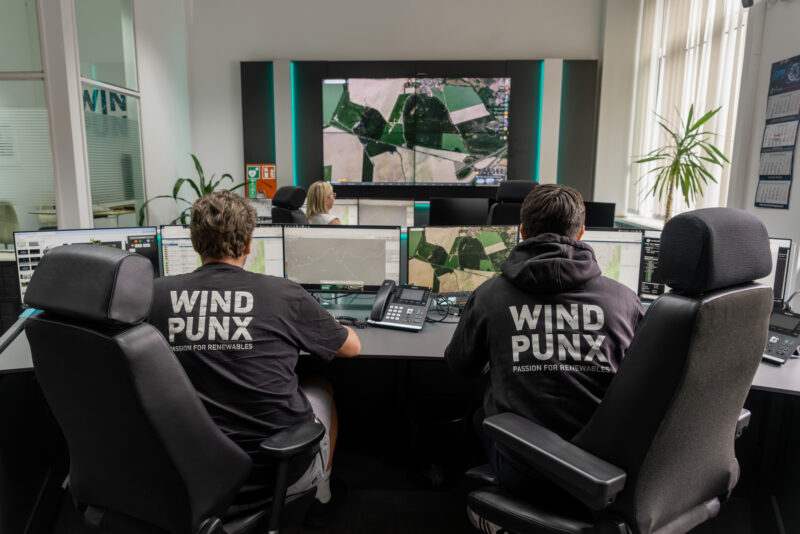
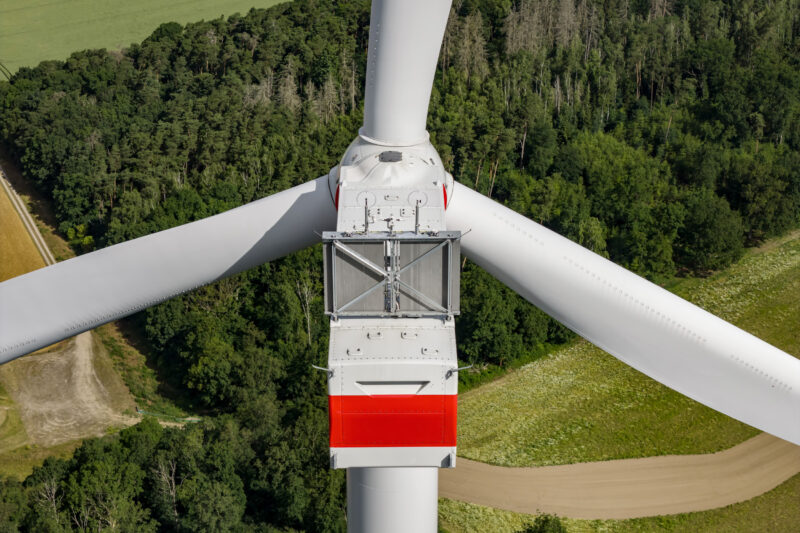

Seit über 25 Jahren in der Erneuerbaren-Branche zuhause und 100% Sicherheit durch Beteiligungsunternehmen als Muttergesellschaft.

Zusammenarbeit auf Augenhöhe gepaart mit wirtschaftlicher Sicherheit.

Wir packen an – effizient und lösungsorientiert, mit einem Blick für individuelle Lösungen.
Wir wachsen gezielt und strategisch, mit Weitblick und Netzwerk.
The share of renewable energies in electricity consumption is growing steadily and has long since become the central pillar of our current electricity supply. What began with idealistic citizen projects and individual enthusiasts is now a highly professional industry that inspires me. With Saxovent Renewables, we want to help shape the transformation of the energy market so that we can create an intelligent, networked and resilient energy system for the future.

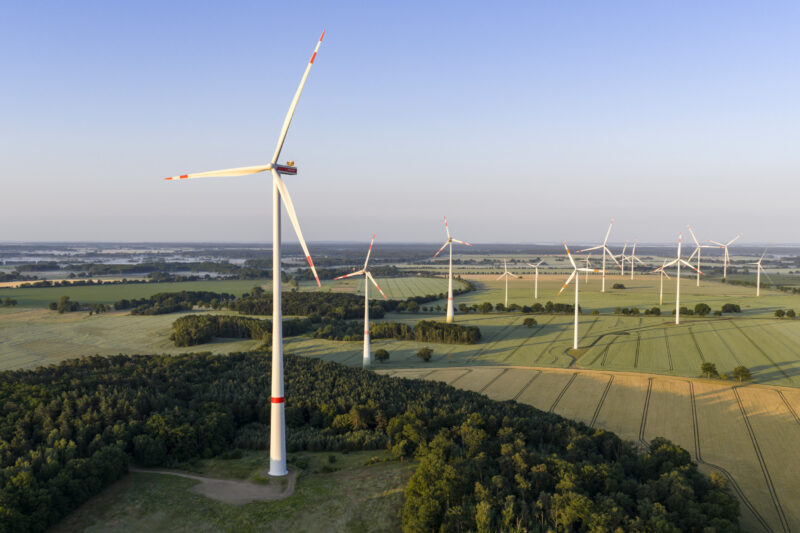
The wind and solar parks implemented together with our partners produce 814 MW of clean electricity, supplying over 900,000 people and saving more than 1 million tons of climate-damaging carbon dioxide every year.



What we have on the grid
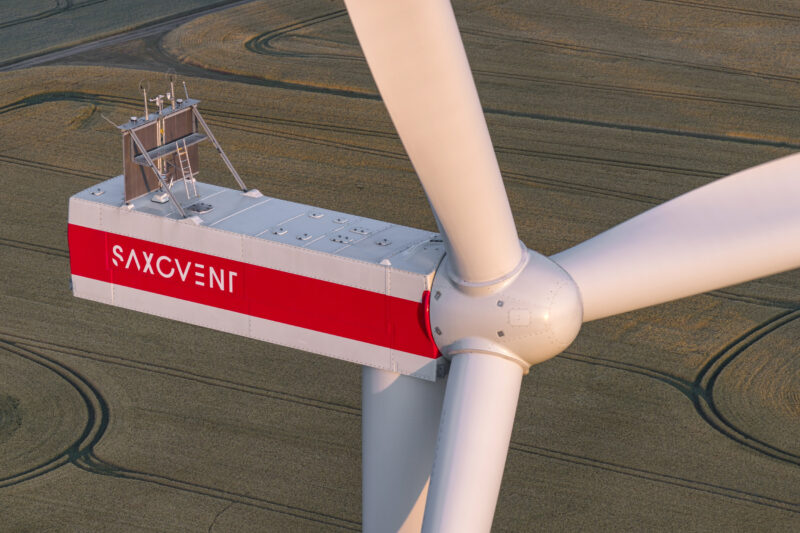
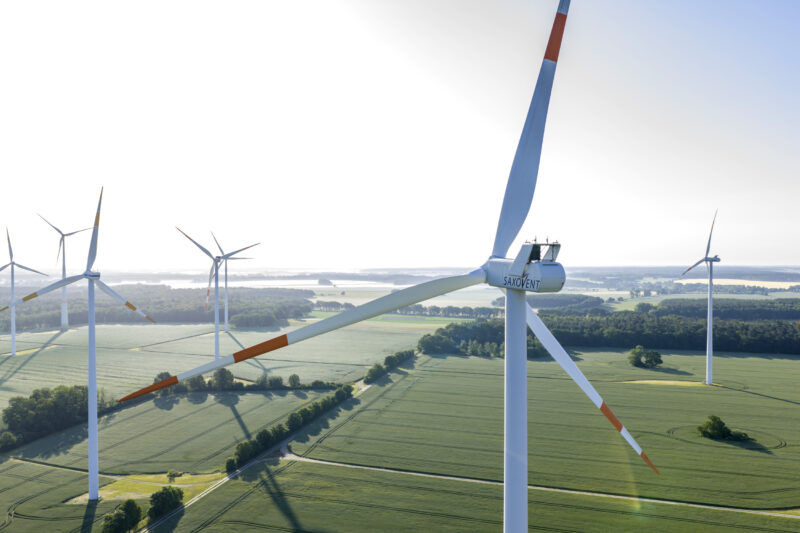
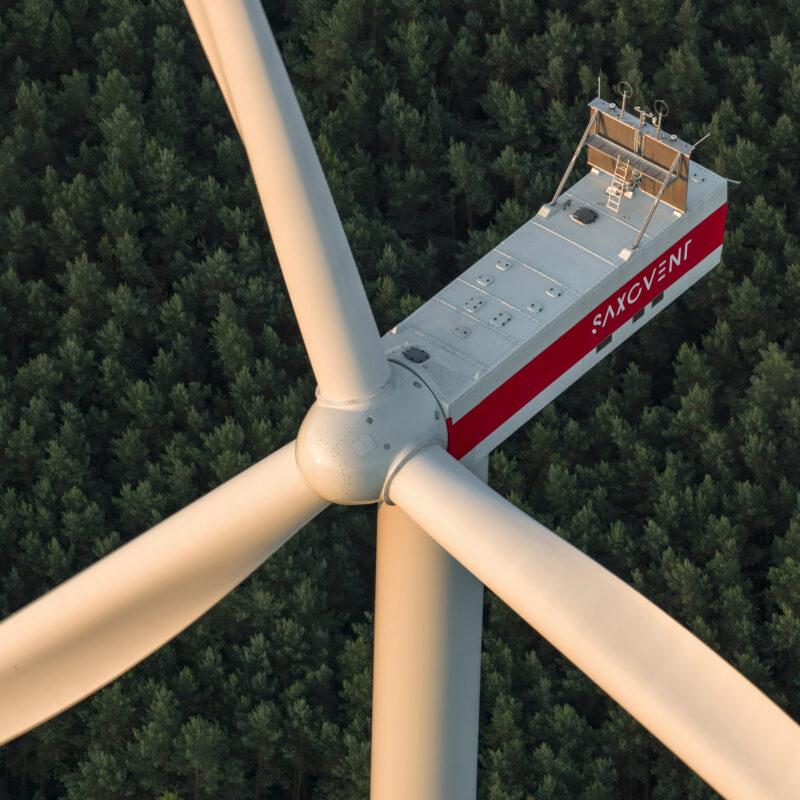
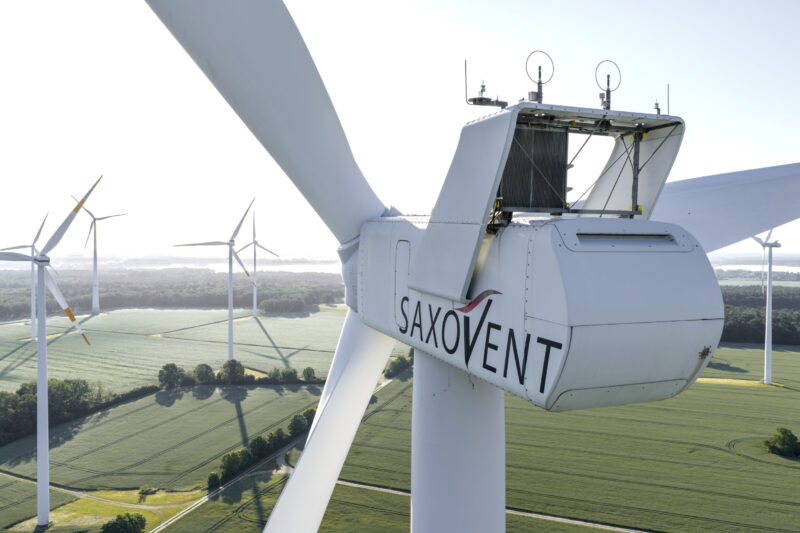
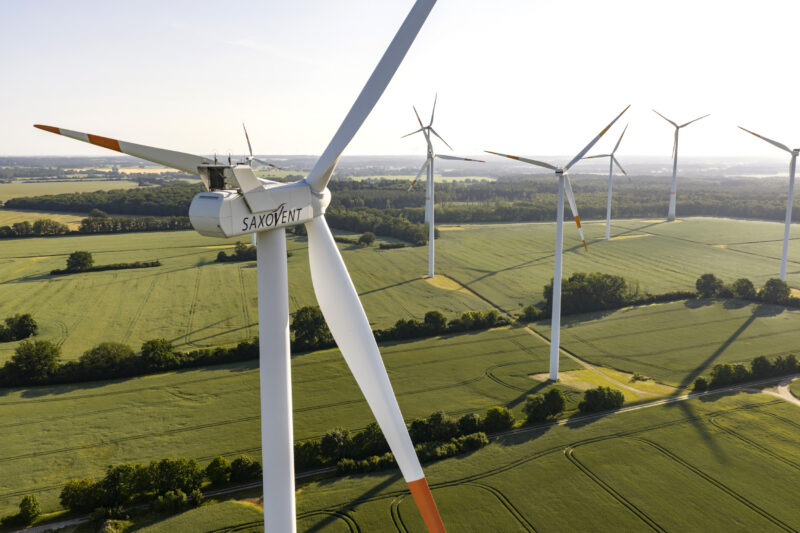
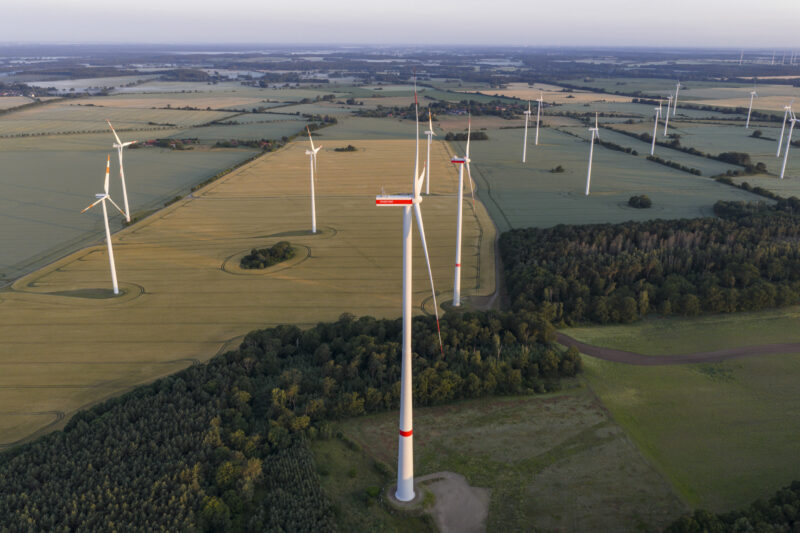
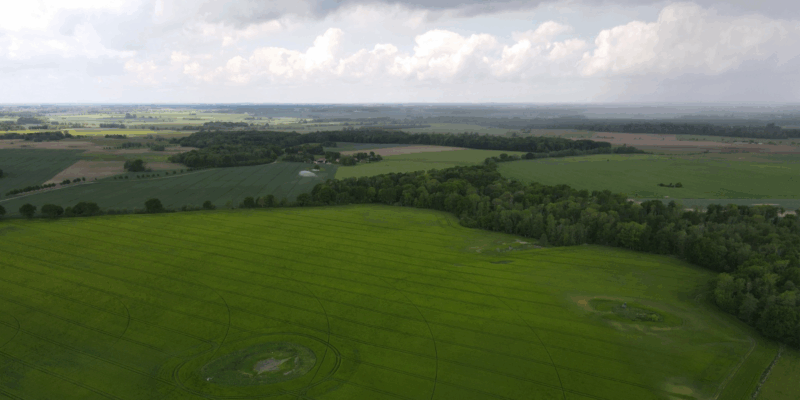
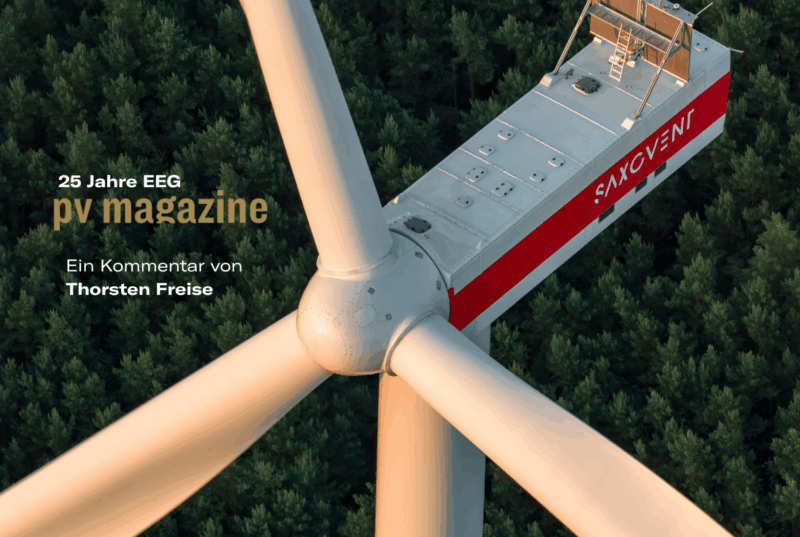

* SAXOVENT was involved in the development of these projects at various stages, including the operation of the plants as an IPP (Independent Power Producer).
The expected energy generation from plants developed by SAXOVENT is estimated based on their installed nominal capacity and an average number of full-load hours, regardless of SAXOVENT’s ownership share. The average household electricity consumption per person was 1,524 kWh in 2023 (Eurostat, as of January 2026).
The potential greenhouse gas emissions avoided are calculated from the amount of electricity generated and the so-called “net avoidance factor.” This indicates how much CO2 equivalents—taking into account the upstream chain—are avoided by wind energy per kilowatt hour generated. The calculation is based on the report “Emissions balance of renewable energy sources. Determination of avoided emissions in 2023” published by the Federal Environment Agency, according to which the net avoidance factor for onshore wind energy is 758 g CO2 eq/kWh.

